Stop Hoarding Amp-Hours: The Battery Bank Obsession That's Actually Holding Your Off-Grid Life Back
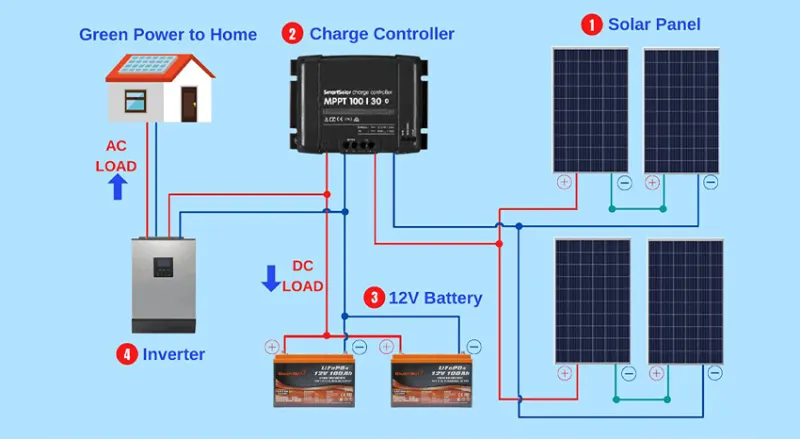
Photo: off-grid battery bank solar power system 12 volt setup, via cdn.shopifycdn.net
There's a certain kind of pride that comes with a big battery bank. Walk into any off-grid forum, any RV Facebook group, or any tiny home community online and you'll see it — people rattling off kilowatt-hours like they're comparing truck engines. More capacity equals more freedom, right?
Not exactly. In fact, for a lot of folks living off-grid or powering their rigs with 12V solar, the obsession with massive battery banks is quietly costing them thousands of dollars, creating maintenance headaches they didn't sign up for, and delivering a false sense of security that crumbles the first time something goes sideways.
Let's talk about why.
The "Worst-Case Scenario" Trap
Here's how most people size their battery banks: they imagine the absolute worst possible situation. Three cloudy days in a row. Running the coffee maker, the space heater, the laptop, the lights, and the water pump simultaneously. Maybe a family member visiting who needs to charge approximately forty-seven devices at once.
So they design for that nightmare scenario — and end up with a 400Ah or 600Ah battery bank for a setup that, in actual daily life, draws maybe 80–100Ah on a typical day.
The result? A hugely oversized system that sits at 90% state of charge most of the time, costs two to three times more than it needed to, weighs down the rig, and — here's the kicker — doesn't even perform as well as a properly sized smaller bank would.
That last part surprises people. But it's real.
Batteries Don't Like Being Babied
Lead-acid batteries — AGM, flooded, gel — actually need to be cycled regularly to stay healthy. A battery that rarely dips below 80% state of charge isn't getting the conditioning it needs. Over time, that can lead to sulfation in flooded batteries and capacity degradation across the board.
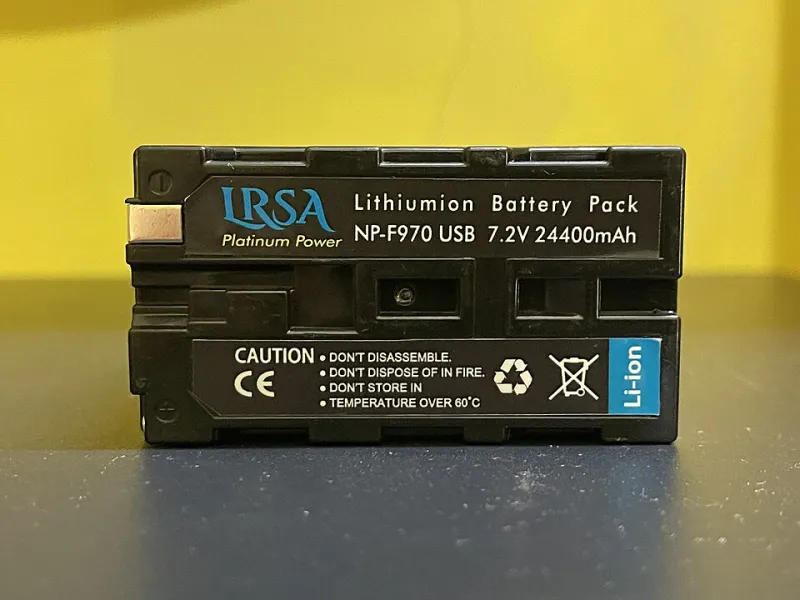
Lithium iron phosphate (LiFePO4) batteries are more forgiving, but they come with their own cost equation. Premium lithium capacity is expensive — often $800 to $1,200 per 100Ah for quality cells or pre-built units. Buying 400Ah of lithium "just in case" when your real daily draw is 90Ah means you're sitting on $2,000–$3,000 in capacity you're rarely touching.
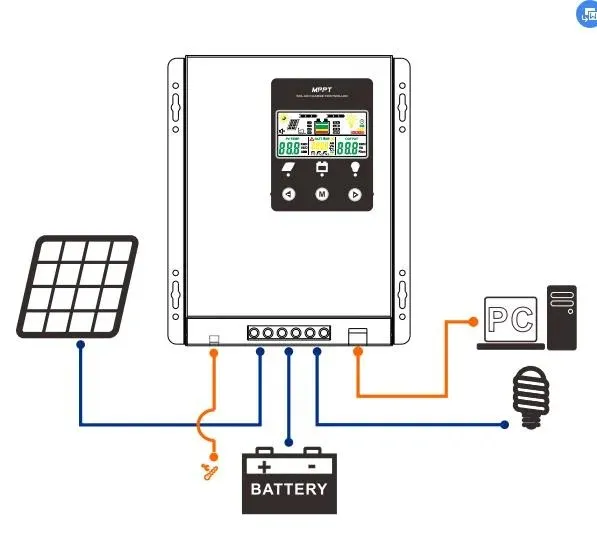
That money could've gone toward a better MPPT charge controller, higher-efficiency panels, or a solid backup generator for the handful of days per year you actually need deep reserves.
The Math Nobody Does (But Should)
Right-sizing a battery bank isn't complicated, but it does require honesty about how you actually live — not how you think you might live someday.
Start with a real load audit. List every device you use, its wattage, and how many hours per day you actually run it. Not worst-case. Average day.
A realistic off-grid daily load for a solo traveler or small cabin might look like this:
- LED lighting: 20W × 4 hours = 80Wh
- Laptop: 45W × 4 hours = 180Wh
- Phone charging: 10W × 2 hours = 20Wh
- 12V refrigerator: ~50Wh average per hour × 24 hours = ~600Wh (compressor cycling)
- Water pump: 60W × 0.25 hours = 15Wh
- Misc small loads: ~50Wh
Total: roughly 945Wh per day
At 12 volts, that's about 79Ah. Round up generously to 100Ah of actual daily consumption.
For a lead-acid bank, you want to avoid discharging below 50%, so you'd need at least 200Ah of capacity. For lithium, which can safely go to 80–90% depth of discharge, 120–150Ah is plenty comfortable.
But the person who sized for "worst case" bought 400Ah. They spent an extra $600–$1,500 for capacity they statistically use maybe a dozen days a year.
What Oversized Banks Actually Cost You
It's not just the upfront purchase price. Consider:
Weight. Every 100Ah of AGM battery weighs roughly 60–70 pounds. A 400Ah AGM bank adds 240–280 pounds to your rig. That's payload capacity, fuel economy, and wear on your suspension — real costs that compound over time.
Charging time. A larger bank takes longer to charge from your solar array. If your panels can deliver 30A to a 200Ah bank, they can bring it from 50% to full in a reasonable afternoon. The same panels charging a 400Ah bank take twice as long — meaning you may regularly finish the day with a partially charged bank even on decent solar days.
Maintenance complexity. More batteries mean more terminals to inspect, more connections to keep clean, more cells to monitor. Flooded lead-acid banks need regular watering and equalization charges. The bigger the bank, the more work.
Replacement costs. Batteries don't last forever. Lead-acid banks typically need replacement every 3–5 years. A 400Ah flooded bank replacement might run $600–$900. A properly sized 200Ah bank? Half that.
The Right Approach: Build for Your Life, Not Your Fears
The sweet spot for most off-grid setups is a battery bank sized to cover 1.5 to 2 days of average consumption without solar input. Not a week. Not a month. A day and a half to two days.
Why? Because if you're getting less than two consecutive days of usable solar in your location, you've got bigger problems than battery capacity — and a backup generator or shore power hookup is the right tool for that job, not a mountain of batteries.
For the 945Wh daily example above, that means a bank in the 150–200Ah range for lithium, or 250–300Ah for lead-acid. Not 600Ah. Not 400Ah. Something reasonable, manageable, and genuinely matched to how you live.
Freedom Looks Different Than You Think
Off-grid freedom isn't measured in amp-hours. It's measured in how reliably and affordably your system meets your actual daily needs. A lean, well-matched 12V solar setup with a properly sized battery bank is more resilient, easier to maintain, cheaper to replace, and — this is the part people miss — more likely to keep you comfortable long-term than a bloated system that looked impressive on paper.
Stop sizing for the apocalypse. Size for Tuesday.
Do the load audit. Do the math. Right-size your bank. And put the money you save into better panels, a smarter charge controller, or just your travel fund — because that's what off-grid living is supposed to be about anyway.